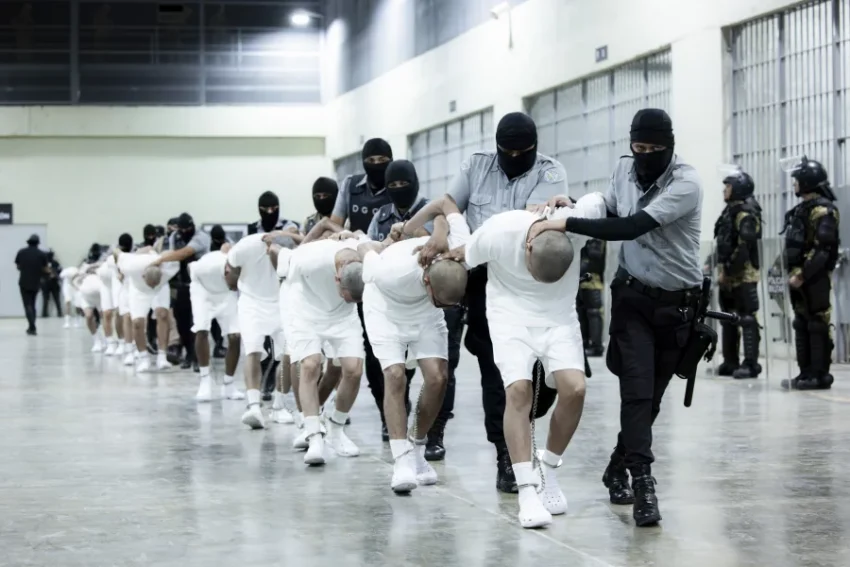
In December 2025, 60 Minutes made headlines for an unusual reason. One of its most anticipated investigative reports never aired. The missing segment, widely referred to as “CECOT 60 Minutes,” quickly became a flashpoint in debates about press freedom, immigration policy, and editorial power inside major news organizations.
Rather than fading quietly, the decision to delay the report triggered widespread backlash, internal dissent, and even online leaks — turning the unaired story into a national conversation of its own.
So, what exactly is CECOT 60 Minutes, and why has it become so controversial?
What Does CECOT Mean?
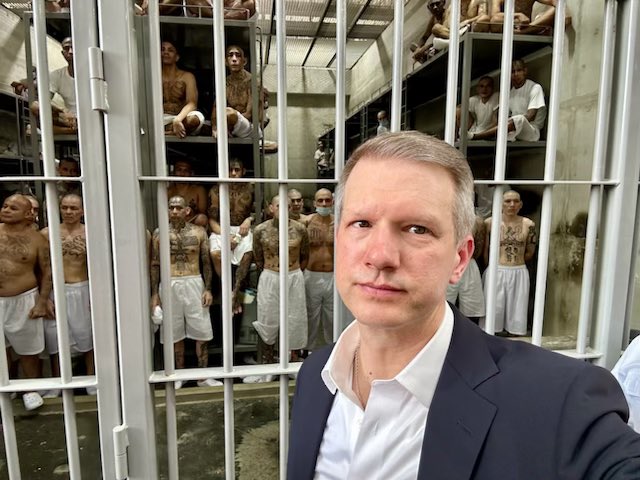
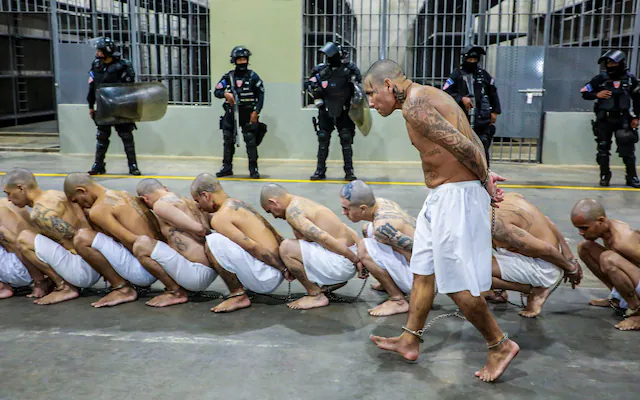
CECOT is short for Centro de Confinamiento del Terrorismo, which translates to Terrorism Confinement Center. It is a high-security prison complex in El Salvador, built under President Nayib Bukele as part of a sweeping crackdown on gang violence.
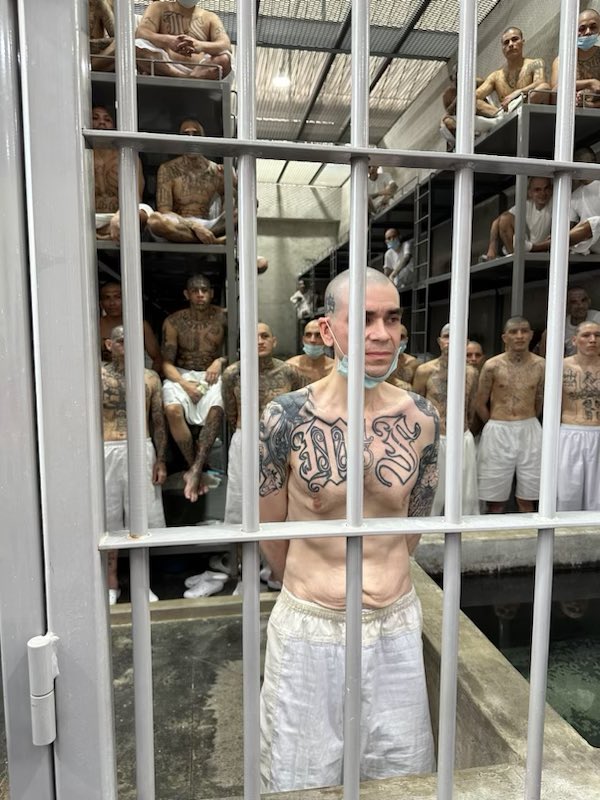
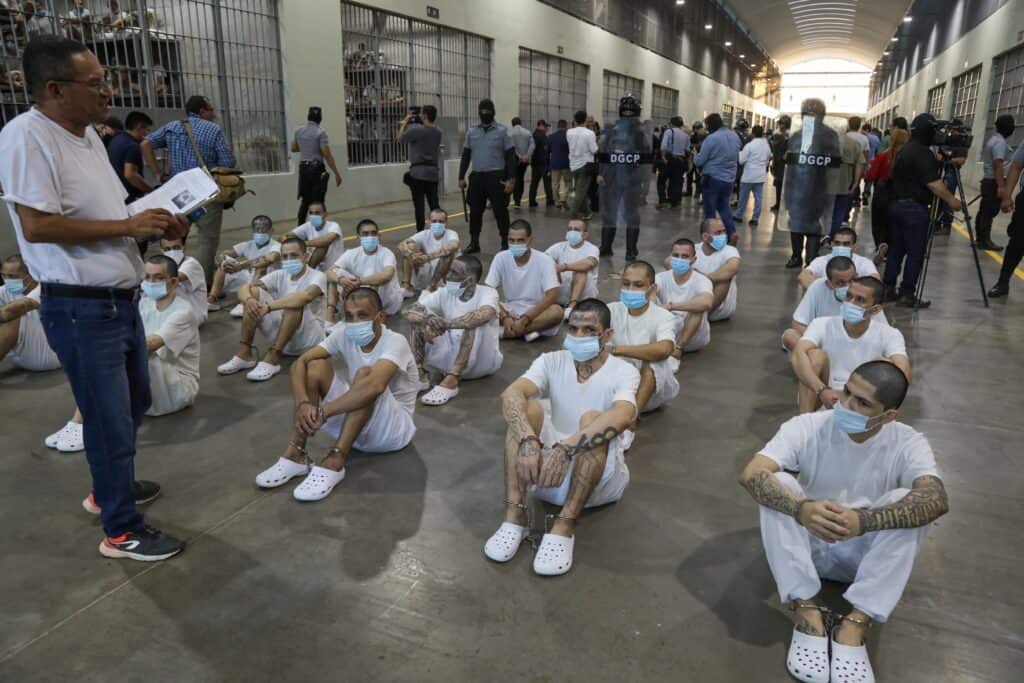
The facility is one of the largest prisons in the world and was designed to hold tens of thousands of inmates. While the Salvadoran government presents CECOT as a symbol of restored public safety, human rights advocates have long raised alarms about its conditions, lack of transparency, and due-process concerns.
In 2025, CECOT drew renewed global attention when migrants deported from the United States — including Venezuelan nationals — were transferred to the prison, linking the facility directly to U.S. immigration enforcement decisions.
Video of CECOT 60 Minutes prison full documentary
What Was the CECOT 60 Minutes Report Supposed to Show?
The 60 Minutes investigation was intended to examine how and why migrants ended up inside CECOT, and what they allegedly experienced after arriving there.
According to journalists involved in the project, the report featured:
- Testimonies from former detainees
- Descriptions of harsh confinement conditions
- Questions about accountability and oversight
- Context surrounding U.S. deportation agreements
Veteran correspondent Sharyn Alfonsi led the piece, which was framed as an in-depth look at the human consequences of international immigration enforcement — not just a profile of a prison.
Why Didn’t the CECOT 60 Minutes Segment Air?
The controversy erupted just hours before the segment was scheduled to broadcast.
CBS abruptly announced that the report would be postponed, stating that additional reporting was required before it could be shown. No replacement air date was immediately provided.
CBS Leadership’s Position
CBS News leadership, including editor-in-chief Bari Weiss, argued that the story needed more balance and further responses from government officials. According to the network, the decision was editorial — not political — and made to meet journalistic standards.
Pushback From Inside the Newsroom
That explanation did not sit well with everyone.
Members of the 60 Minutes team reportedly objected, saying the piece had already passed legal and editorial review. Some staff members felt the delay set a troubling precedent — suggesting that stories could be stopped simply because powerful figures refused to comment.
The disagreement spilled into public view, fueling speculation about outside pressure and internal control over one of America’s most respected news programs.
How the Story Reached the Public Anyway
Although the segment never aired in the U.S., it did not remain unseen.
Due to a broadcast scheduling error, a version of the report became available outside the United States, and clips soon spread across social media platforms. Viewers shared excerpts and summaries, intensifying scrutiny of CBS’s decision and keeping the story alive.
Instead of ending the discussion, the delay amplified it.
Why the CECOT 60 Minutes Controversy Matters
The fallout surrounding this report goes far beyond a single TV segment.
1. Questions About Editorial Independence
The incident reignited concerns over how much control network leadership should have over investigative journalism — especially when stories involve government policy or politically sensitive topics.
2. Immigration and Accountability
CECOT became a focal point for broader debates about how migrants are treated after deportation and what responsibility the U.S. bears once individuals are transferred abroad.
3. Trust in Legacy Media
60 Minutes has built its reputation on fearless reporting for decades. When a high-profile investigation is suddenly pulled, viewers naturally question transparency, consistency, and credibility.
Final Thoughts: What Is CECOT 60 Minutes?
In simple terms, CECOT 60 Minutes refers to a major investigative report that was prepared, promoted, and then delayed at the last moment — igniting one of the most talked-about media controversies of 2025.
What began as a story about a prison evolved into a wider discussion about journalism itself: who controls the narrative, how sensitive stories are handled, and whether the public gets to see reporting that challenges powerful interests.
Even without an official U.S. broadcast, CECOT 60 Minutes has already left a lasting mark on the media landscape.