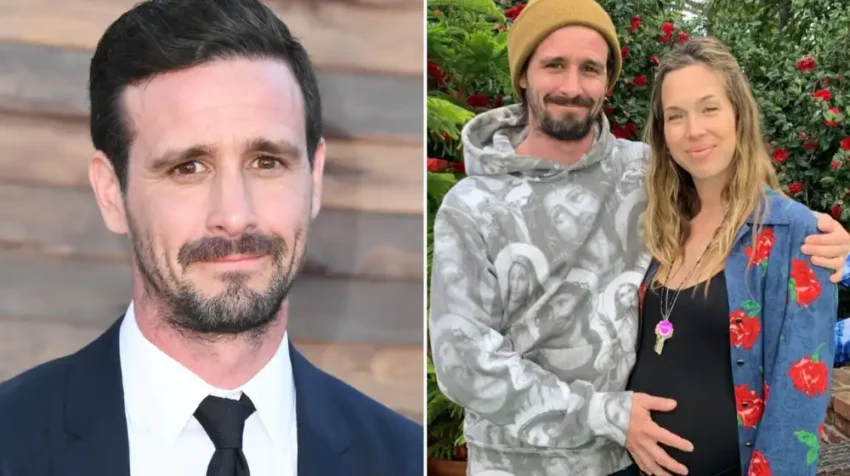
James Ransone, the actor whose raw intensity helped define shows like The Wire and films such as It: Chapter Two, has died at the age of 46. Authorities in Los Angeles confirmed that he passed away on Friday, with the Los Angeles County Medical Examiner ruling his death a suicide. The news broke just hours later, sending shockwaves through the entertainment world and prompting an immediate wave of tributes. Ransone is survived by his wife, Jamie McPhee, and their two children.
James Ransone HBO’s The Wire
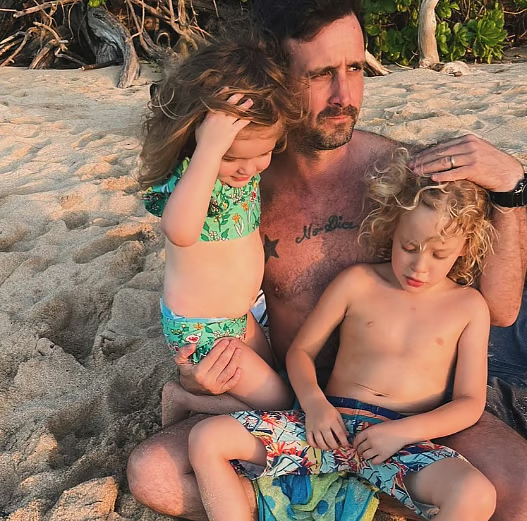
For many viewers, Ransone will forever be remembered as Chester “Ziggy” Sobotka, the volatile and deeply wounded character he portrayed in Season 2 of HBO’s The Wire. Appearing in 12 episodes, Ransone turned Ziggy into one of the show’s most tragic figures—awkward, impulsive, and heartbreakingly human. The role cemented his reputation as an actor unafraid of emotional extremes. He later reunited with The Wire creator David Simon in Generation Kill, playing Marine Corporal Josh Ray Person, a performance that again showcased his ability to bring authenticity to complex, real-world characters.
His work extended well beyond television. Ransone carved out a steady and respected film career, moving fluidly between independent projects and mainstream releases. He appeared in Sinister, Sinister 2, Tangerine, Prom Night, and The Black Phone, often leaving a strong impression even in supporting roles. In 2019, he reached a broader global audience with It: Chapter Two, where he played the adult version of Eddie Kaspbrak. Acting alongside Jessica Chastain, James McAvoy, and Bill Hader, Ransone delivered a performance praised for its emotional vulnerability and quiet strength within a massive ensemble.
In the wake of his death, Jamie McPhee shared a deeply personal message that captured the intimacy of their bond. Posting a photo of the couple, she reflected on love, partnership, and family, writing about the many times she had loved him—and the certainty that love would endure. She thanked him for “the greatest gifts,” naming not only himself, but also their children, Jack and Violet, and closed with a simple, devastating truth: “We are forever.”
Tributes soon followed from colleagues, friends, and fans. Social media filled with clips, stills, and memories from The Wire, Generation Kill, and It: Chapter Two. Actor François Arnaud described Ransone as a “unique actor,” while countless viewers spoke about how his performances lingered—how he made flawed, broken characters feel achingly real. Again and again, people returned to the same sentiment: James Ransone had a rare gift for honesty on screen.
Born in Baltimore in 1979, Ransone trained at the Carver Center for Arts and Technology before making his film debut in Ken Park. In later years, he spoke openly about his life off camera. In 2021, he revealed that he was a survivor of childhood sexual abuse, and he discussed how that trauma shaped his struggles with addiction. He also talked candidly about sobriety and the emotional weight of inhabiting dark, demanding roles, describing acting as both healing and exhausting.
James Ransone’s death has reopened difficult but necessary conversations about mental health, trauma, and support within the entertainment industry. As fans and peers mourn his loss, his legacy remains clear: a body of work defined by courage, depth, and a willingness to show the parts of humanity many prefer to hide.